


Dr. Norman Gaylis Rheumatologist & Internist
Clinical expertise
The science behind BONE-VIVA!
BONE-VIVA! was formulated by Dr. Norman Gaylis, a board-certified Rheumatologist and Internist with more than 40 years of clinical practice and research experience.
His extensive work across rheumatology, osteoporosis, bone health and patient care informs the clinical thinking behind BONE-VIVA! and its approach to long-term bone-health support.
40+
Years of clinical practice and research
50+
Medical and scientific publications
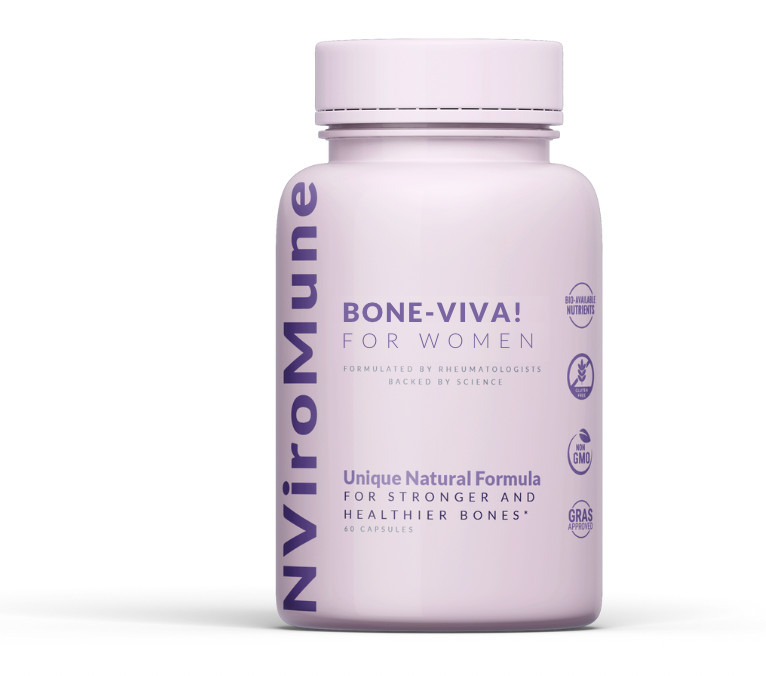
BONE-VIVA! For Women
Unique Natural Formula
Everyone, especially women, naturally loses bone density as a result of aging. BONE-VIVA! for Women was formulated with vitamins and minerals designed to support healthy bones and help maintain bone density.
Bio-Available Nutrients
Non-GMO
Scientifically Studied
GRAS-Approved Supplements
Recommended by Doctors
Gluten-Free
High-Risk Groups for Osteoporosis
Women, Especially Postmenopausal Women
Women are more likely to develop osteoporosis due to the decrease in estrogen levels that occurs during menopause, which can accelerate bone loss.
Older Adults
Age is a significant risk factor. As people age, bone density naturally decreases, making them more susceptible to osteoporosis.
Family History of Osteoporosis
Genetics play a role in bone health. Individuals with a family history of osteoporosis are at greater risk.
Low Body Weight and Small Frame
People with lower body weight and smaller frames tend to have less bone mass to begin with, which can increase the risk of osteoporosis.
Ethnicity
Caucasian and Asian individuals have a higher risk of osteoporosis compared to African American and Hispanic individuals.
Hormonal Imbalances
Conditions that affect hormone levels, such as thyroid disorders, parathyroid disorders, or low levels of sex hormones (estrogen in women and testosterone in men), can increase the risk of osteoporosis.
Nutritional Deficiencies
Low intake of calcium and vitamin D, which are crucial for bone health, can contribute to the development of osteoporosis.
Sedentary Lifestyle
Lack of physical activity, particularly weight-bearing and strength-training exercises, can weaken bones over time.
Smoking and Excessive Alcohol Consumption
Smoking and high alcohol intake are known to negatively impact bone health and increase the risk of osteoporosis.
Chronic Medical Conditions
Conditions such as rheumatoid arthritis, lupus, celiac disease, and inflammatory bowel disease can increase the risk of osteoporosis.
Parathyroid Disorders
Disorders of the parathyroid glands, which regulate calcium levels in the body, can lead to imbalances that affect bone density and increase the risk of osteoporosis.
Certain Medications
Long-term use of corticosteroids and other medications that affect bone density can increase the risk of developing osteoporosis.
Recommendation
Understanding your risk is the first step towards protecting bone health.
Osteoporosis is a condition characterized by weakened bones and an increased risk of fractures. Certain groups of people are at a higher risk of developing osteoporosis. Understanding these risk factors can help in taking preventive measures and seeking early treatment to manage bone health effectively.
For the best outcome, BONE-VIVA should be taken daily for at least 12 months.